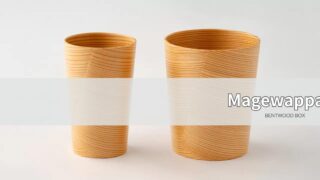

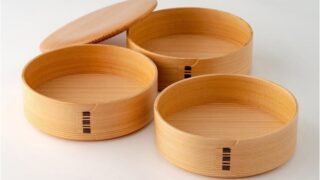
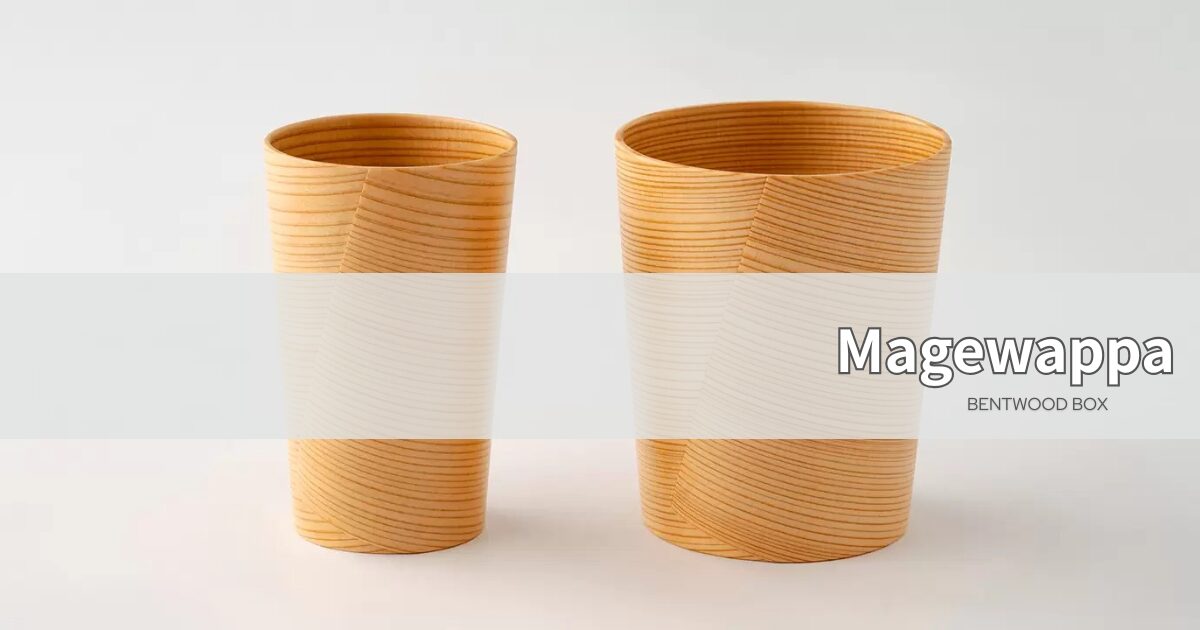
Bentoboxes made from bent wood have long been cherished across Japan, with different names and uses depending on the region. This article briefly explains the origins of bent wood bentoboxes, the differences in regional names, and their history! We delve into techniques that have continued since the Nara period. We also introduce examples of how these bent boxes, familiar from ekiben (station bento), are used, evaluations and popularity seen in customer reviews, and the reasons their features, charm, and quality shine.
Furthermore, we’ll examine traditional techniques through their construction and materials, clearly outline the pros and cons for daily use, and provide detailed guidance on identifying and preventing discoloration and mold—key considerations unique to wooden lunch boxes. Through this article, you’ll gain a deep understanding of the true value and appeal of bentwood lunch boxes.
Translated with DeepL.com (free version)
- The Origin of the Name “Magewappa” and Regional Variations in Its Name
- The History and Background of Magewappa, Dating Back to the Nara Period
- Specific Examples of Its Use in Ekiben and Daily Life
- Comprehensive Information Including Features, Manufacturing Process, Care Methods, and Evaluation
The Origin of Bentwood Boxes and Regional Variations in Their Names
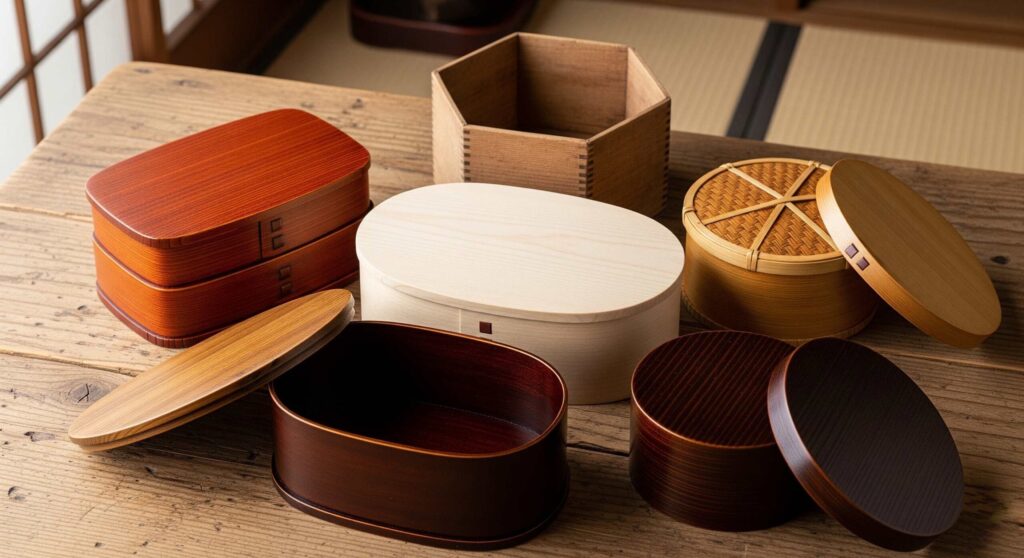
Bentoboxes made from bent wood are a type of traditional lunchbox passed down throughout Japan, with regional variations in their names and origins.
Originally, containers made by thinly shaving wood and bending it into a circular shape using heat and moisture were called “magemono” (bentwood). These evolved into simple lunch containers, and the name ‘magewappa’ became established. Those made in Odate City, Akita Prefecture, are particularly famous and are known locally as “Odate Magewappa.”
However, in some regions, they are called “magemono” or ‘menpa’ instead of “wappa.” For example, in parts of Nagano and Shizuoka Prefectures, they are called “menpa” and have primarily been used as lunch boxes for mountain work and farm labor.
These differences in names also stem from variations in manufacturing methods, materials, and usage. Magiwappa are not merely lunch boxes; they can be considered crafts reflecting regional lifestyles and culture.
A Brief History! Techniques Passed Down Since the Nara Period
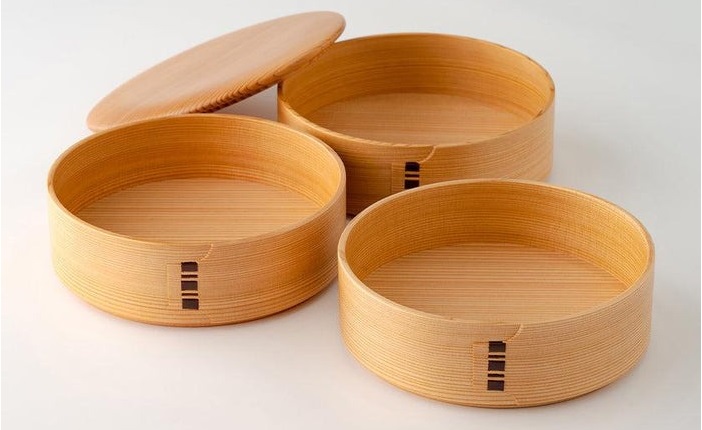
The technique of bentwood boxes is said to date back to the Nara period, making it one of the oldest woodworking crafts in Japan.
At that time, they were primarily used by monks and nobles, serving not only as practical items but also as containers for rituals and offerings. This was because the natural antibacterial properties and breathability of the wood made it ideal for food preservation.
By the Edo period, it spread into the lives of common people. Particularly in Odate, Akita Prefecture, abundant cedar resources led to the flourishing of bentwood box making as a sideline to forestry. Even today, traditional craftsmen in this region meticulously craft these boxes, making it a representative production area for bentwood boxes.
In modern times, it has been reevaluated for its visual appeal and functionality, gaining popularity among those with a natural lifestyle preference and bento enthusiasts. Thus, the bentwood box is a tool that combines practicality and beauty, passed down through the ages to the present day.
Examples of Using the Familiar Bentwood Lunch Boxes for Station Boxed Lunches
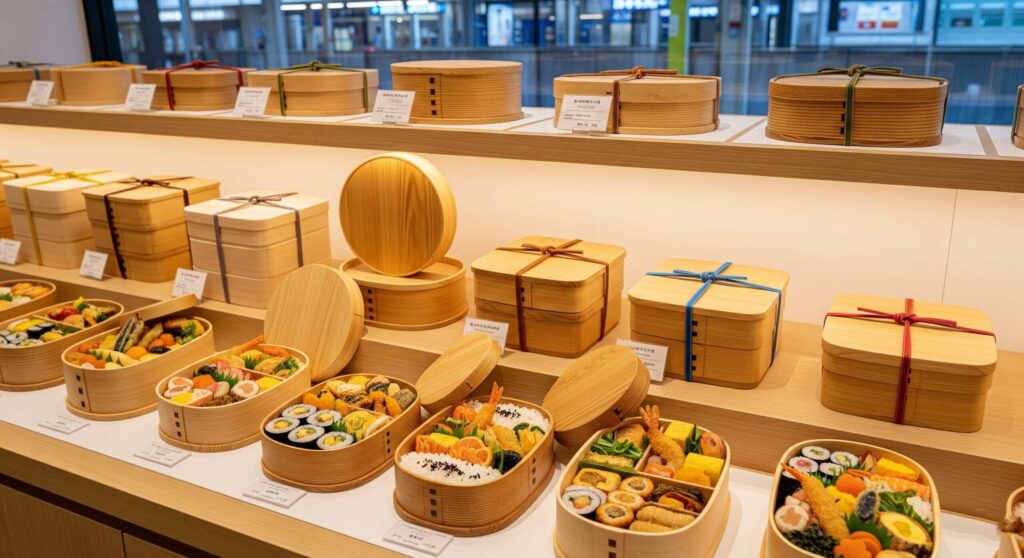
Bentwood boxes have long been cherished as containers for ekiben (station boxed lunches). Not only are they visually appealing, but their practicality also makes them a popular choice among many ekiben vendors today.
The use of bentwood boxes for ekiben stems from the excellent properties inherent in wood. For instance, natural woods like Akita cedar and Yoshino cedar offer excellent breathability, preventing rice from becoming soggy. This keeps the rice fluffy and non-sticky even over time. Additionally, the wood absorbs excess moisture, reducing the likelihood of sauces from side dishes seeping into other ingredients and helping maintain an appealing appearance.
Particularly famous is the “Odate Station Bento” sold at stations like Odate Station in Akita Prefecture. This region is also known as a production center for bentwood boxes, and locally crafted bentwood lunch boxes are used directly as containers for these station bentos. Some products even use high-quality bentwood containers that can be washed and reused after eating.
These ekiben serve not only as meals but also as souvenirs of travel and conveyors of regional culture. The rice, subtly infused with the wood’s fragrance, offers a taste that soothes the weariness of travel. This warmth, absent in modern disposable containers, further enhances the appeal of ekiben.
Reviews and Popularity of Bentwood Lunch Boxes
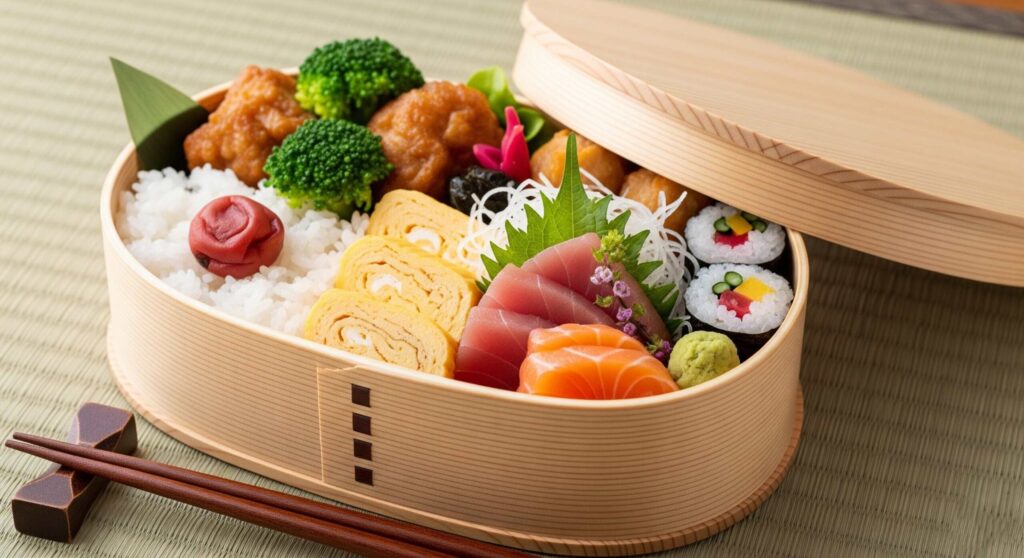
Reviews for bentwood lunch boxes overwhelmingly feature positive opinions. Many users express satisfaction with both their aesthetic appeal and functionality, and they enjoy particularly high popularity among those who prepare bento daily.
A frequently cited point in reviews is that “the rice tastes better.” This is because the wood used in the bentobox absorbs excess moisture, maintaining just the right level of hydration. As a result, many users share the experience that the rice stays fluffy and delicious even after time has passed.
Their visual appeal is also highly praised. The natural wood grain, unique to each piece, and the warm, natural design are key reasons for their popularity. On social media, numerous photos of bentos packed in bentō boxes are posted, and many people are drawn to their beauty and consider purchasing one.
That said, negative reviews aren’t entirely absent. For instance, some mention “maintenance is a hassle” or “the price is high.” Especially when first starting to use one, attention is needed for drying timing and mold prevention, which can feel like a bit of a hurdle for beginners.
That said, when treated with care, it’s a tool that lasts a long time, and some users even find the effort enjoyable. Consequently, many users say, “I could never go back to a regular lunch box,” demonstrating the enduring popularity of bentō boxes. The high regard and popularity they enjoy suggest that, for many people, the value they provide outweighs the necessary maintenance.
Why Its Features, Appeal, and Strengths Shine
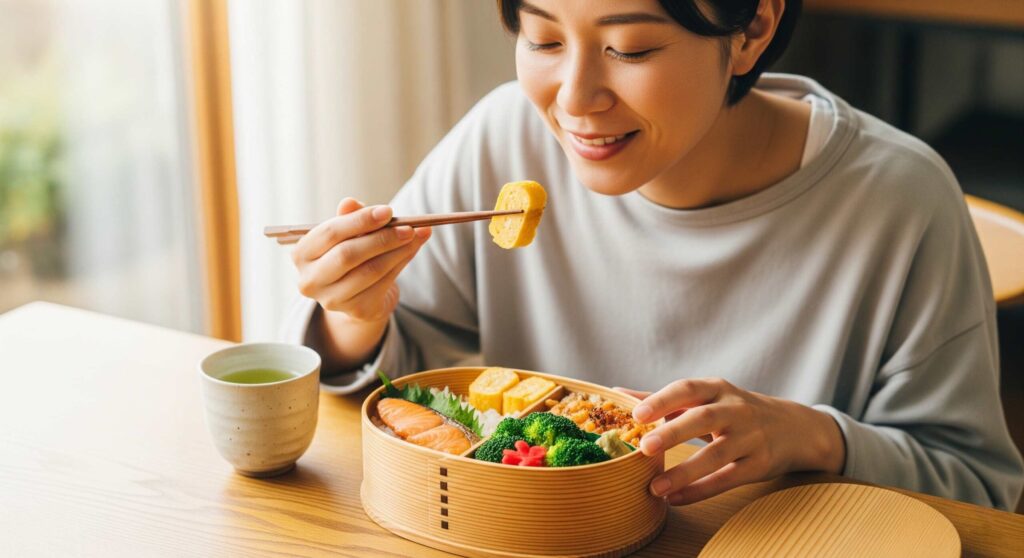
The charm of bentō boxes lies in their combination of visual beauty and practicality. First and foremost is their unique texture, derived from the natural material of wood. The smooth surface, gentle feel, and individual grain patterns create a warmth unmatched by other bentō boxes. This transforms mealtime from a mere task into a relaxed moment.
Another major feature is wood’s natural humidity-regulating properties. Its breathability helps maintain the rice’s moisture balance, preventing it from becoming sticky over time and preserving its fluffy texture. This makes it exceptionally practical, especially in summer when it helps keep rice from spoiling.
Moreover, the visual beauty of bentō boxes adds a special touch to everyday meals. Even simple rice balls, rolled omelets, and a few side dishes look elevated when presented in a bentō box. This is why many users report finding bento preparation enjoyable, even if they aren’t skilled cooks.
Its ease of storage and light weight are also key points. Despite being wooden, it’s lightweight, making it convenient to carry. Its simple structure also makes it easy to wash, which is a welcome feature for daily use.
In this way, the bentwood lunchbox perfectly balances “appearance,” “functionality,” and “ease of use.” It’s easy to see why it has been chosen by so many people for so long.
Traditional Techniques Examined Through Methods and Materials
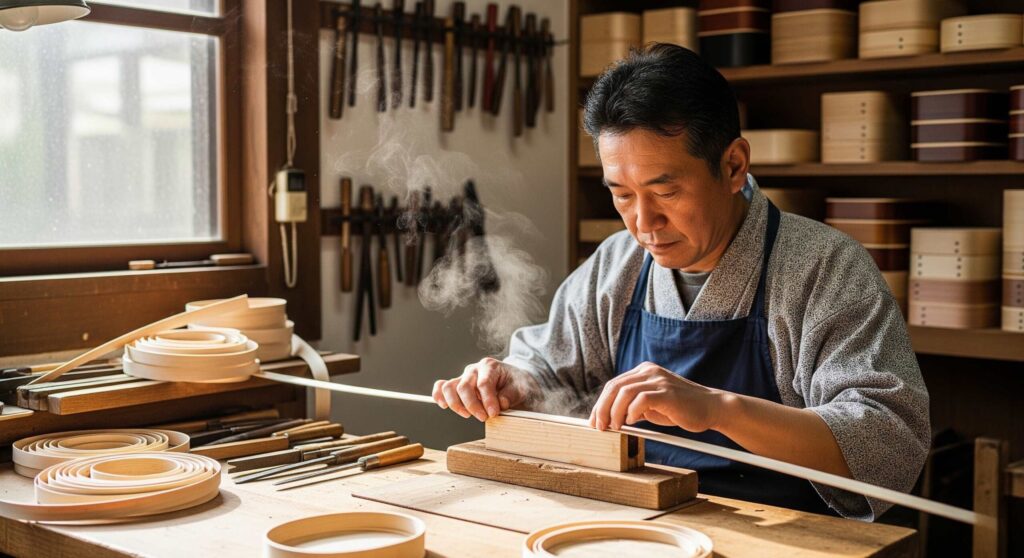
The crafting of bentwood boxes embodies delicate artisanal skill and the power of natural materials. The wood used as raw material is primarily selected for its fine grain and soft texture, such as Akita cedar or Yoshino cedar. These woods are easy to work with and well-suited for the bending process, making them a long-standing choice.
First, the wood is processed into thin, planed boards and softened using water or steam. Once softened, specialized molds are used to bend the wood into circular or oval shapes. This task demands high skill and sensitivity; applying too much force can cause the wood to split, making it a difficult process requiring a skilled artisan.
To secure the bent sections, natural materials like cherry bark are split into thin strips, formed into cord-like strands, and wrapped around the joints to hold them in place. This traditional technique is characterized by maintaining strength without adhesives while preserving beauty. Subsequently, the base plate is fitted, the entire piece is carefully carved to shape, and the surface is finished with natural lacquer or left unvarnished to complete the work.
Thus, many steps in making bentwood boxes cannot be replicated by mechanization; each piece is crafted by hand by artisans. Because everything is made from natural materials, no two finished pieces are exactly alike; the charm lies in the unique grain patterns and color variations found in each.
While simplified processes and machine-made products exist today, bento boxes crafted using the original traditional techniques truly showcase the quality of the materials and the skill of the artisans. Understanding this background allows for a deeper appreciation of the value of these bentoboxes.
Properly understand the advantages and disadvantages
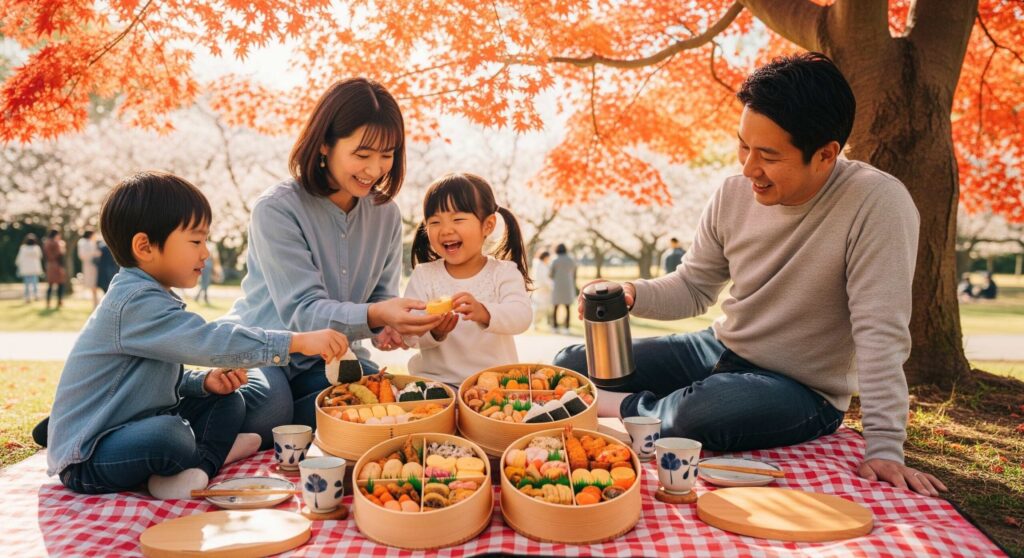
Bentwood lunch boxes offer many charms, but to use them effectively, it’s important to understand both their advantages and disadvantages.
First, the foremost advantage is that they keep rice tasting delicious. The wood naturally breathes and absorbs excess moisture, so even after time passes, the rice doesn’t become sticky and remains fluffy and enjoyable. Additionally, their high breathability prevents stuffiness, making them relatively safe to use even during summer. Moreover, its beautiful appearance enhances the presentation of food, making it suitable for both everyday lunches and special occasions.
On the other hand, the disadvantages cannot be ignored. For instance, since it uses natural wood, if not washed immediately after use and thoroughly dried, it risks developing dark spots or mold. Furthermore, the use of detergents or bleach is often not recommended, requiring a certain amount of effort for maintenance. Care must also be taken with storage, such as avoiding humid places.
Price-wise, they are more expensive than standard plastic lunch boxes, which can make them feel like a higher barrier for first-time buyers. However, with careful maintenance, they can last for years, making them quite cost-effective in the long run.
Thus, bentō boxes made from bent wood require understanding how to use them correctly and treating them with care. Yet, they remain popular precisely because many people feel their value outweighs these considerations.
How to Tell the Difference Between Black Stains and Mold and How to Prevent Them
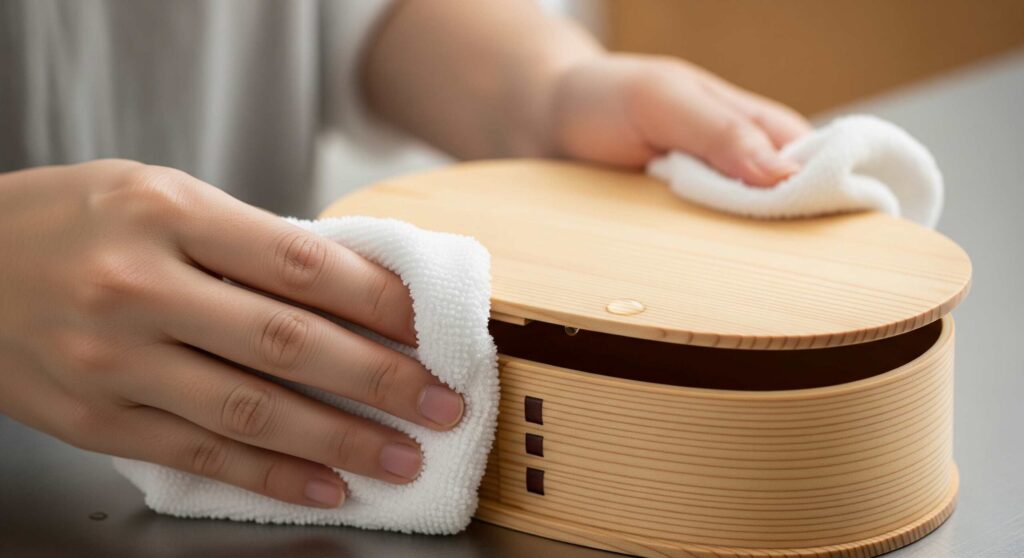
Wooden bentwood boxes, being made of natural materials, are prone to developing dark stains and mold. While these issues can be both visually and hygienically concerning, prevention and treatment are entirely possible with the right knowledge.
First, understand the difference between dark stains and mold. Dark stains primarily occur when moisture or oils from food seep into the wood, or when tannins react with metal, causing black discoloration. Mold, on the other hand, appears as white, green, or sometimes black fuzzy fungal growth on the surface. If left untreated, it can invade the interior.
The key to preventing these issues is to wash the container immediately after use, thoroughly wipe away all moisture, and dry it completely in a well-ventilated area. Pay special attention to the gaps on the bottom and the joints, where moisture tends to accumulate. Developing the habit of carefully removing moisture with a towel or cloth provides peace of mind. Additionally, periodically air-drying in the shade helps remove moisture and makes it easier to prevent mold growth.
While using a neutral detergent is acceptable when washing, be careful not to scrub too hard or use boiling water, as this can accelerate wood deterioration. Also, bleach and dishwashers are generally not recommended. Depending on the surface finish, they can cause the coating to peel, creating a breeding ground for mold.
If dark stains appear, gently rubbing them with a paste made from baking soda dissolved in a small amount of water may help. However, excessive scrubbing can damage the wood, so it’s safest to test this on an inconspicuous area first. If mold covers a large area or seems to have penetrated deep into the wood, it’s wise to stop using the item.
Therefore, consider darkening and mold on bentwood boxes as inevitable occurrences. The best prevention is to make careful daily maintenance a habit. Understanding the unique care required for natural materials and continuing to use them correctly is essential.
The Beauty and Functionality of Bentwood Boxes
- Bentwood boxes have been passed down across Japan under different names and for various uses.
- The term originates from “magemono” (bent wood), with Akita’s “Odate bentwood boxes” being particularly famous.
- They are known by other names like “menpa” or “magemono” depending on the region.
- Their roots trace back to woodworking techniques dating to the Nara period.
- They evolved from containers for offerings by monks and nobles into lunchboxes for commoners.
- It flourished as a sideline to forestry in Akita during the Edo period, and the tradition continues today.
- Used as containers for ekiben (station bento boxes), they bridge food culture and tourism.
- The wood’s breathability prevents rice from steaming and keeps it fluffy for hours.
- The natural material’s visual beauty enriches mealtime.
- Each piece possesses unique character through its grain and coloration.
- They feature delicate hand-bent craftsmanship by artisans.
- Traditional techniques are employed, using natural materials like cherry bark instead of adhesives for finishing.
- Though requiring careful maintenance due to their natural materials, they offer long-lasting use.
- Thorough cleaning and drying after use prevent mold and discoloration.
- They harmonize beauty and function, supporting a refined lifestyle.