


This article contains promotional content.
- The Cold-Sensitive Set of 12 Japanese Seasons Hirahai (Flat Sake Cups)
- What is the Cold-Sensitive Set of Japanese Seasons Hirahai? Explaining the Characteristics of Mino Ware
- Mino Ware Hirahai through the fusion of traditional and latest technology
- Is Mino Ware Pottery or Porcelain? Explaining its characteristics.
- Why is Mino Ware inexpensive?
- What happens if you put porcelain in a microwave?
- Can Mino Ware be washed in a dishwasher?
- Is Medome necessary for Mino Ware, and what happens if it’s not done?
- What to Know to Cherish Your Mino Ware Hirahai for a Long Time
- What is the Cold-Sensitive Set of Japanese Seasons Hirahai? Its charm and tips for long-term use
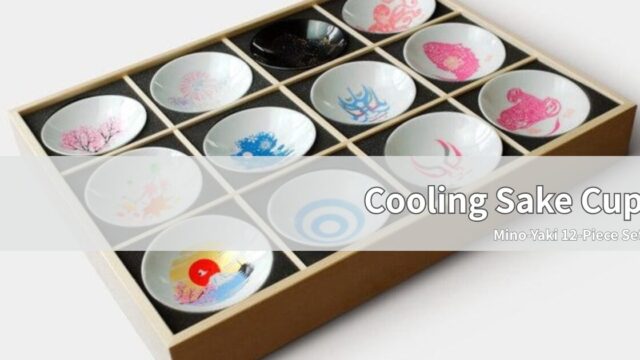
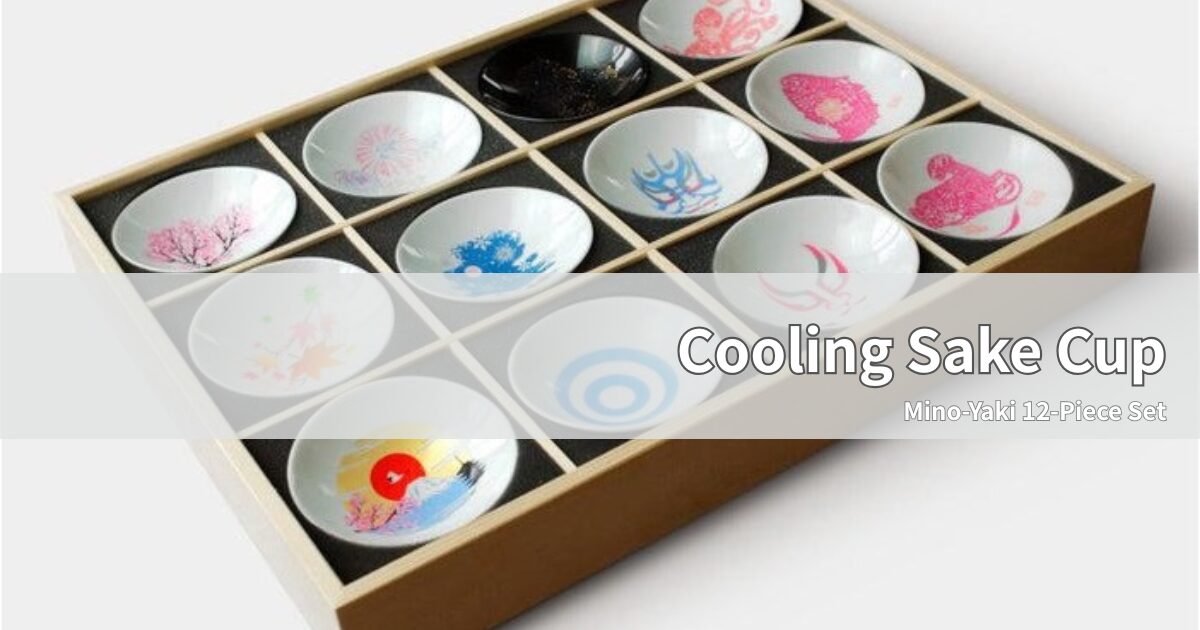
The Cold-Sensitive Set of 12 Japanese Seasons Hirahai (Flat Sake Cups)
This is a set of 12 hirahai (flat sake cups) where vibrant designs emerge when a cold drink below 17℉ is poured in.
This playfully inventive masterpiece fuses the technique of “Mino Ware,” a traditional craft that Japan proudly boasts, with special temperature-sensitive inks that change color.
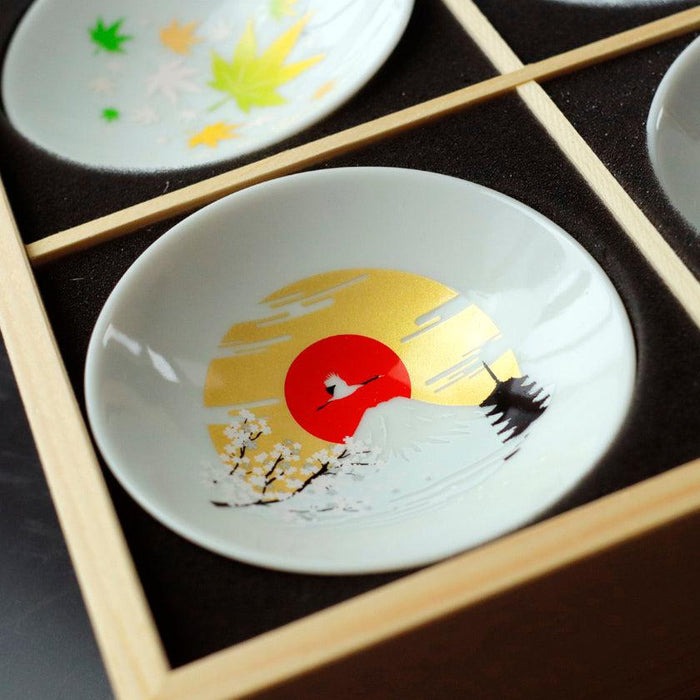
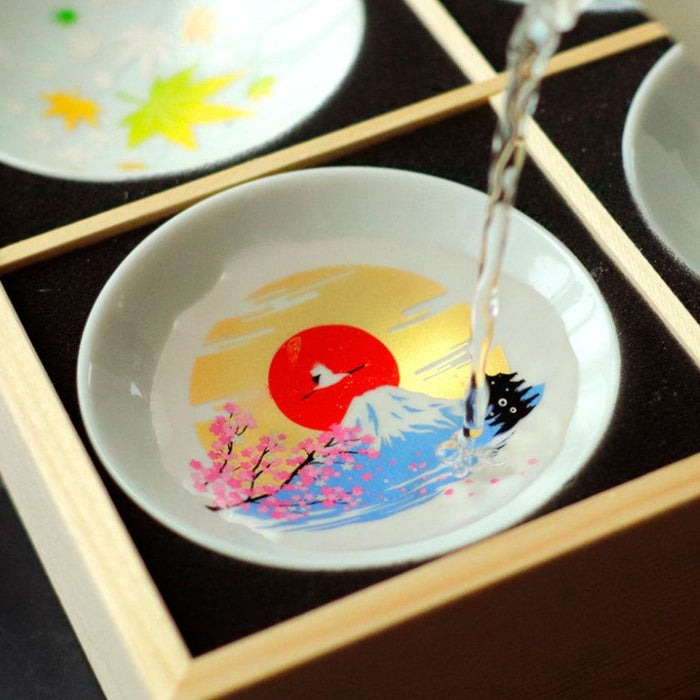
Cherry blossoms in spring, fireworks in summer, autumn leaves in autumn, and a snowscape in winter… The seasonal scenes spreading across the sake cups are like tiny works of art. They captivate the viewer and bring a sense of peace to the heart.
They transform the time spent enjoying sake into something richer and more special.
Housed in a luxurious white pine wooden box, this set is ideal as a gift for loved ones or as a souvenir for international visitors. It creates a special moment that delivers surprise and deep impression.
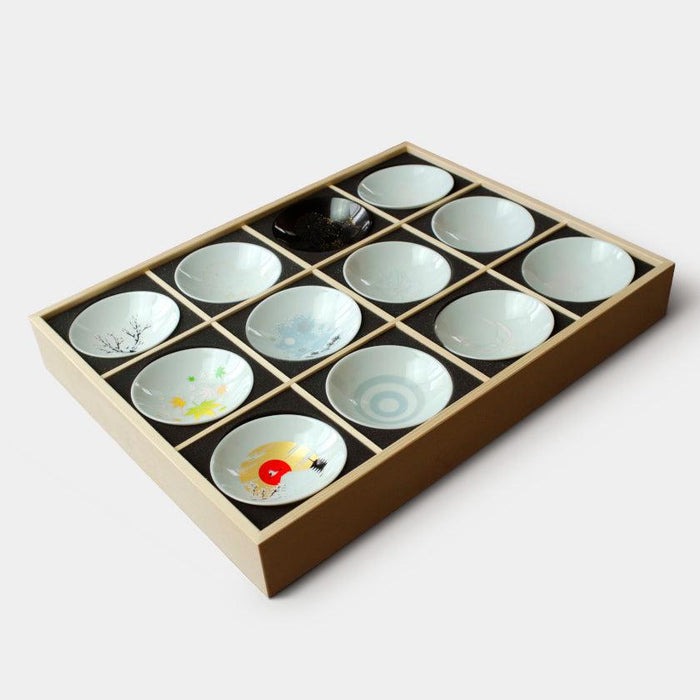
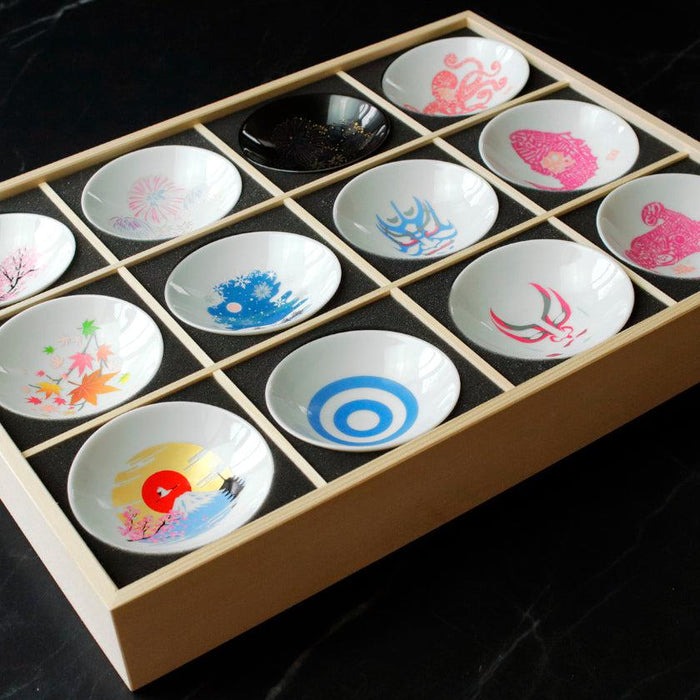
Product Specifications
| Item Name | 【Set of 12 Hirahai】 Cold-Sensitive Japanese Tradition | Mino Ware |
| Material | Porcelain (Jiki/Magnetic Ware) | |
| Size | Diameter 9cm, Height 3.4cm | |
| Weight | 90g (per piece) | |
| Capacity | 70ml | |
| Production Area | Gifu Prefecture |
Precautions:
Do not use in a microwave, dishwasher, oven, over an open flame, or on an induction cooktop (IH).
What is the Cold-Sensitive Set of Japanese Seasons Hirahai? Explaining the Characteristics of Mino Ware
Mino Ware, a traditional Japanese craft, accounts for more than half of the domestic production of ceramics and porcelain. In this article, we answer the question, “What is the Cold-Sensitive Set of Japanese Seasons Hirahai brought to you by Japan’s No. 1 Mino Ware?” and delve into the appeal of this Mino Ware hirahai which merges traditional and cutting-edge technology.
We will explain fundamental characteristics, such as whether Mino Ware is pottery or porcelain, address simple questions like “Why is Mino Ware inexpensive?”, and provide solutions to maintenance concerns like “What happens if you put porcelain in a microwave?”, “Can Mino Ware be washed in a dishwasher?”, and “Is Medome (sealing the pores) necessary for Mino Ware, and what happens if it’s not done?”
To help you cherish your Mino Ware hirahai for a long time, we will provide a comprehensive explanation, including user reviews, on what to do when using Mino Ware for the first time, maintenance methods for prolonged use, handling precautions for both pottery and porcelain, the procedure and effect of Medome, maintenance tips for donabe (earthenware pots) and hirahai, and the charm and keys to long-term use of the Cold-Sensitive Set of Japanese Seasons Hirahai.
By reading this article, you can resolve the following questions:
- The basic characteristics of Mino Ware and the charm of the Cold-Sensitive Set of Japanese Seasons Hirahai.
- The difference between pottery and porcelain and how to handle each.
- Maintenance methods for prolonged enjoyment of Mino Ware.
- The correct way to use the Cold-Sensitive Set of Japanese Seasons Hirahai and precautions.
- What is the Cold-Sensitive Set of Japanese Seasons Hirahai brought to you by Japan’s No. 1 Mino Ware?
- Mino Ware Hirahai through the fusion of traditional and latest technology.
- Is Mino Ware Pottery or Porcelain? Explaining its characteristics.
- Why is Mino Ware inexpensive?
- What happens if you put porcelain in a microwave?
- Can Mino Ware be washed in a dishwasher?
- Is Medome necessary for Mino Ware, and what happens if it’s not done?
Mino Ware Hirahai through the fusion of traditional and latest technology
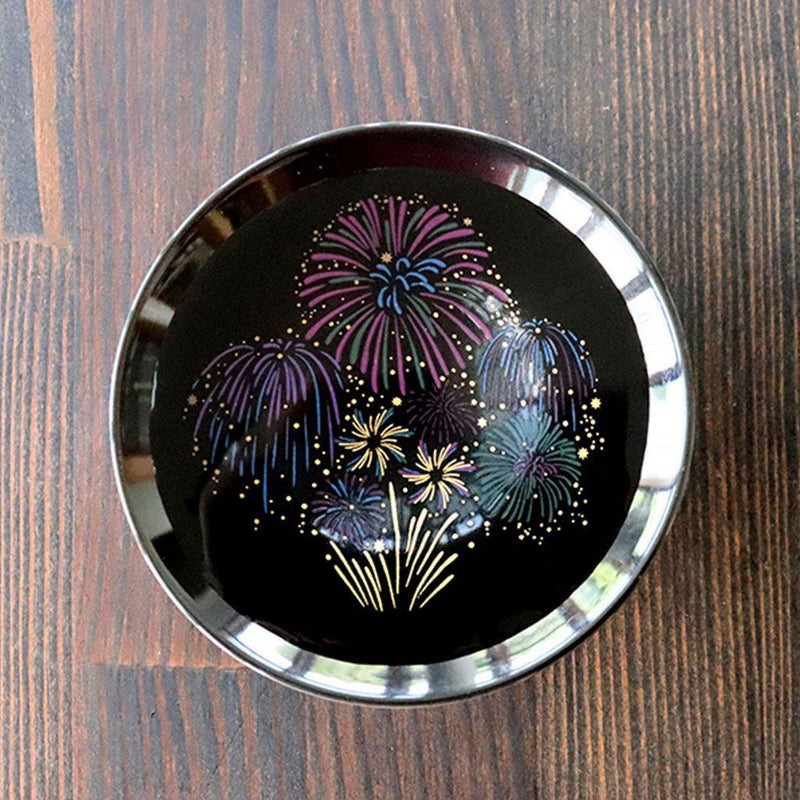
Mino Ware is a traditional ceramic and porcelain ware with a history of over 1300 years in the Tono region of Gifu Prefecture. It is counted as one of the three great Japanese ceramic wares, alongside Seto Ware and Arita Ware (Imari Ware).
The Cold-Sensitive Set of Japanese Seasons Hirahai is a set of sake vessels created by fusing this Mino Ware tradition with the latest technology. It is designed so that when sake is poured, the vessel’s temperature drops, and the designs vividly appear. For example, when cold sake is poured, patterns of cherry blossoms, fireworks, autumn leaves, and snow crystals emerge, allowing you to enjoy the beauty of Japan’s four seasons.
These designs are meticulously hand-painted by artisans. They are delicately colored at temperatures near 62.6℉ and become more clearly visible the colder they get. Furthermore, you can also enjoy the visual experience as the color slowly changes and the color of the sake itself is reflected.
A distinctive feature is that the color slowly reverts to the original once the drink is finished, allowing you to pour again and enjoy the transformation.
Is Mino Ware Pottery or Porcelain? Explaining its characteristics.
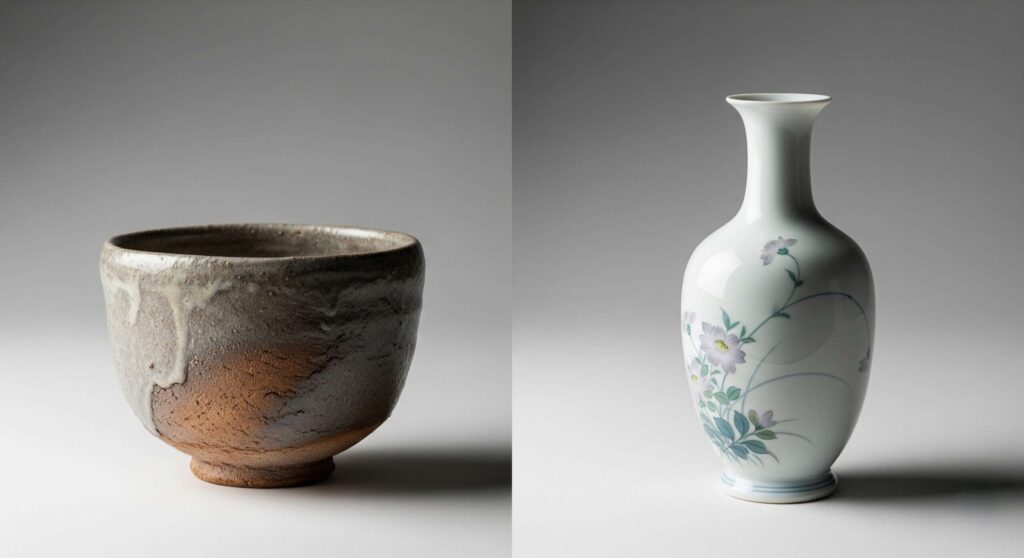
Mino Ware produces both pottery (earthenware/stoneware) and porcelain (magnetic ware), so it cannot be definitively categorized as one or the other. Pottery primarily uses clay as its main ingredient, characterized by rougher particles and high water absorption. This gives it a warm, earthy texture.
On the other hand, Porcelain is mainly made from powdered stone called kaolin and is fired at high temperatures, resulting in fine particles and almost no water absorption. It is characterized by a sleek, smooth texture and is more durable than pottery.
Mino Ware has flexibly incorporated the properties of both materials to create a wide variety of vessels across different eras. Therefore, to know which material your purchased Mino Ware product is made from, it is important to check the product description.
You can also distinguish them by looking at the base (kodai) of the vessel: if it feels rough, it is pottery; if it is smooth, it is porcelain.
Why is Mino Ware inexpensive?
The main reason why Mino Ware is relatively affordable is its high production volume. Mino Ware accounts for over 50% of the ceramics and porcelain produced in Japan, boasting the highest production volume in the country. This capacity for mass production helps keep manufacturing costs low.
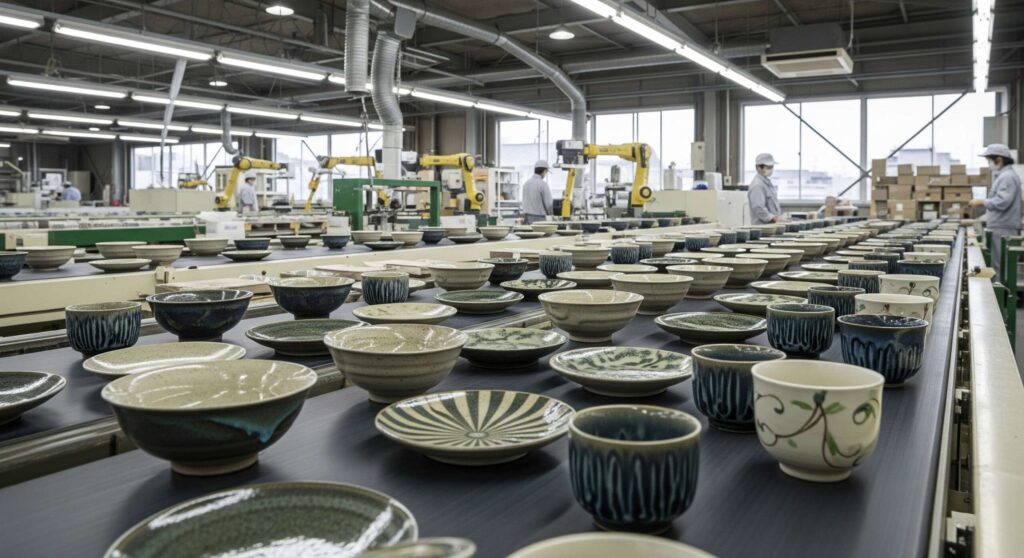
Mino Ware also has a history of proactively adopting new technologies, which has established an efficient production system. Furthermore, while based on the four traditional styles—Kizeto, Setoguro, Shino, and Oribe—it produces a wide variety of vessels in various colors, shapes, and designs, offering an abundance of products suitable for daily use.
These factors combine to allow Mino Ware to be widely distributed at an affordable price while maintaining durability.
What happens if you put porcelain in a microwave?
Porcelain is relatively safe to use in a microwave. The reason is that porcelain absorbs very little moisture, making it less prone to the rapid expansion of water due to heating.
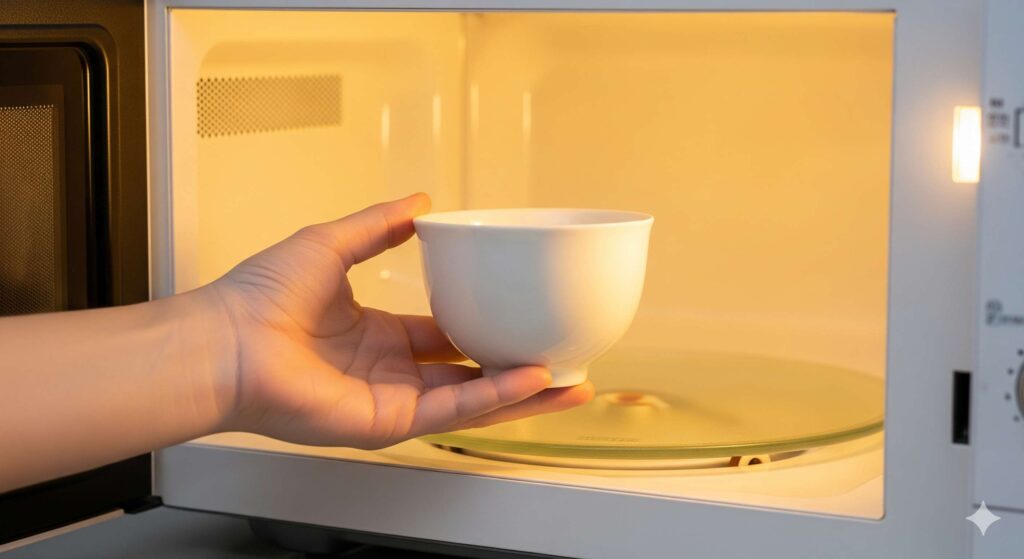
However, there are a few points to note. Firstly, porcelain decorated with metallic embellishments like gold or silver can react with the microwave’s radiation, causing sparks. This could lead not only to the breakage of the vessel but also to damage to the microwave itself or fire.
Additionally, if heated for too long, the vessel can become extremely hot, so caution is needed to avoid burns when taking it out. Thus, while many porcelain products are microwave-compatible, one must be mindful of the presence of decorations and proper handling.
Can Mino Ware be washed in a dishwasher?
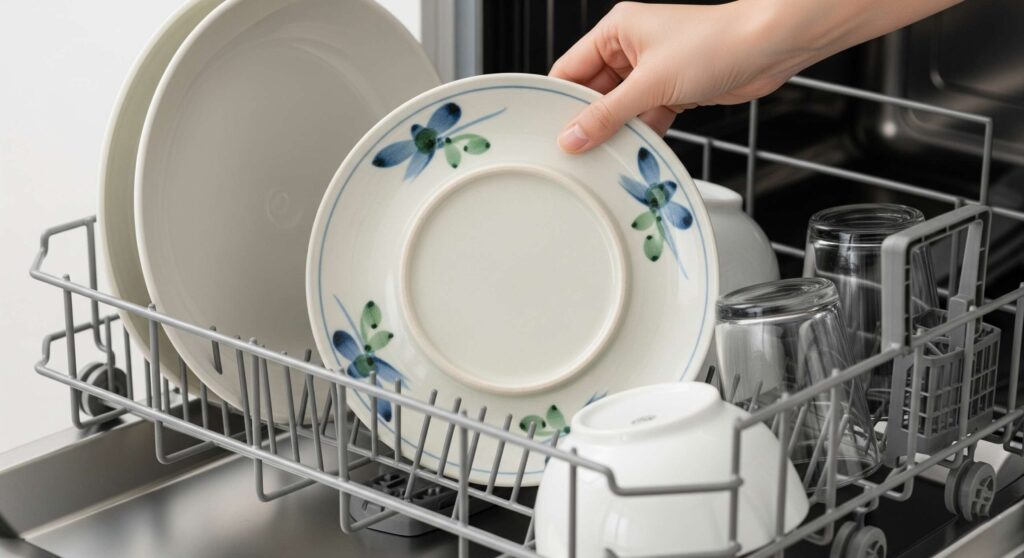
Whether Mino Ware can be washed in a dishwasher depends on whether the product is pottery or porcelain, and what kind of decorations it has. Generally, products made of porcelain, which is less porous and harder, are often dishwasher-compatible.
However, pottery has high water absorption, so the dishwasher’s high temperature and detergent can seep into the pores, potentially causing cracks or mold.
A common precaution for all Mino Ware products is that vessels with gold or silver embellishments or overglaze painting may have their decorations peeled off or discolored by dishwasher detergents or strong water jets. Therefore, hand-washing is recommended for valuable vessels or those with delicate decorations. The most reliable method is to check for a “dishwasher-safe” label at the time of purchase.
Is Medome necessary for Mino Ware, and what happens if it’s not done?
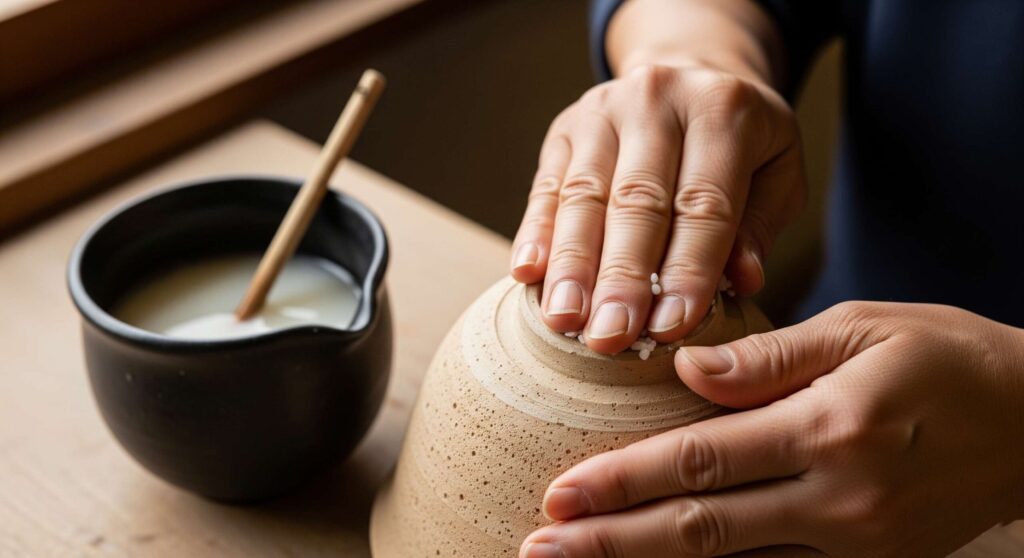
Medome (sealing the pores) is necessary, especially for pottery Mino Ware products. Medome is the process of sealing the invisible, microscopic pores on the surface of the vessel with the starch from rice washing water or flour.
If this step is neglected, the liquid from food or oil can seep into the vessel, causing stains, mold, or odors. Particularly after serving strongly flavored or colored dishes, the odor may linger for the next use.
Medome also helps prevent cracking and damage, extending the lifespan of the vessel. Conversely, this Medome process is not required for porcelain, which is non-absorbent.
What to Know to Cherish Your Mino Ware Hirahai for a Long Time
- What should I do when using Mino Ware for the first time?
- Maintenance methods for prolonged use of Mino Ware.
- Handling precautions for both pottery and porcelain.
- Procedure and effect of Medome.
- Must-know! Maintenance tips for donabe and hirahai.
- What is the Cold-Sensitive Set of Japanese Seasons Hirahai? Its charm and tips for long-term use.
What should I do when using Mino Ware for the first time?
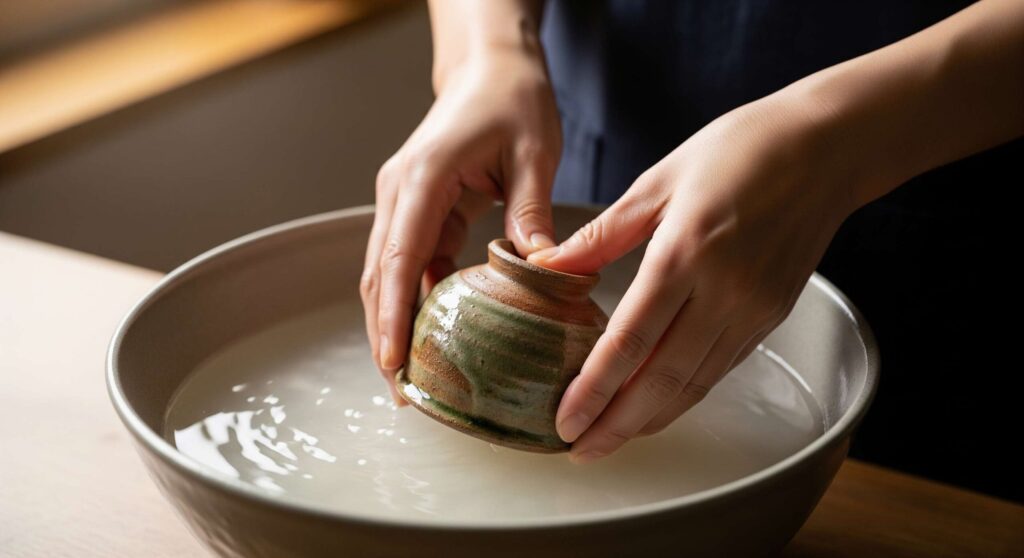
When using it for the first time, it is important to confirm whether the material is pottery or porcelain. As mentioned, Medome is recommended for pottery.
The specific method for Medome is to put the vessel in a pot with enough rice washing water to completely immerse it, bring it to a boil, then simmer on low heat for 20 to 30 minutes. Afterward, turn off the heat and leave the vessel to cool down completely, then rinse it with water and air-dry.
This extra step allows the starchy water to fill the gaps in the vessel, preventing food from soaking in. For porcelain, no special treatment is needed. Simply wash away surface dirt with kitchen detergent before use.
Maintenance methods for prolonged use of Mino Ware
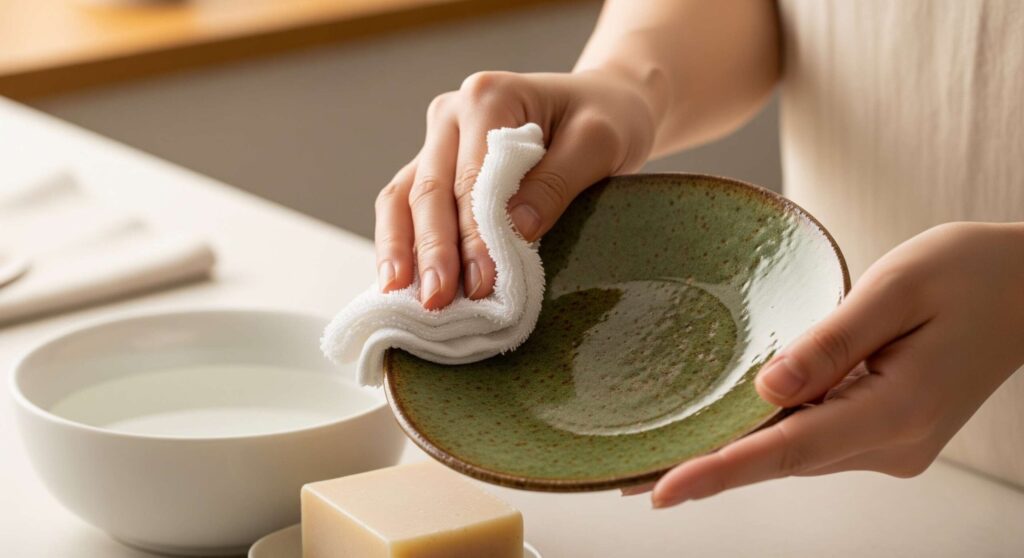
Proper maintenance after use is also essential for long-term enjoyment. Firstly, it is crucial to wash the vessel immediately after use, rather than leaving it dirty for a long time, to prevent stains and mold. After washing, wipe off the moisture thoroughly and store it only after it has completely dried.
Especially for pottery, which is highly absorbent, insufficient drying can lead to mold. Rinsing it briefly with hot water at the end can help it dry faster.
Also, avoid using hard metal scouring pads or abrasive sponges, and wash gently with a soft sponge.
Handling precautions for both pottery and porcelain
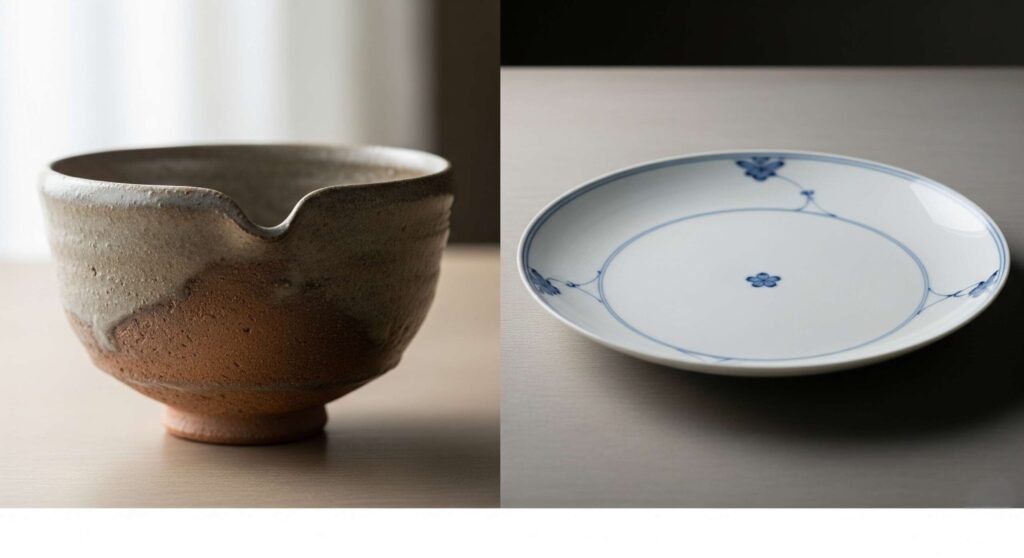
Pottery and porcelain have different properties, so handling methods vary.
Pottery is vulnerable to sudden temperature changes; for example, pouring something hot immediately after taking it out of the refrigerator can cause cracks.
Porcelain is non-absorbent and durable, but if it has gold or silver embellishments, using a microwave or dishwasher may cause the decorations to peel off.
Furthermore, for both materials, the bottom of the vessel may scratch surfaces, so it is important to avoid dragging them across tables.
Procedure and effect of Medome
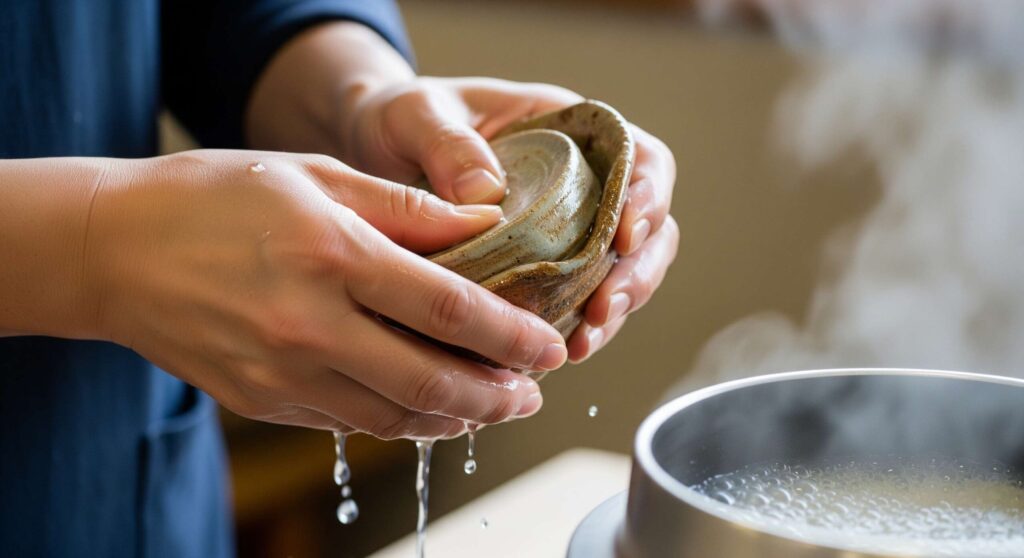
The Medome procedure is as follows: First, wash the pottery thoroughly with water and place it in a pot. Next, pour in rice washing water until the vessel is completely immersed. If rice water is unavailable, you can substitute it with water dissolved with 1 to 2 tablespoons of flour or potato starch.
Then, simmer on low heat until it boils, and continue boiling for about 20 to 30 minutes. After turning off the heat, leave it as is until it cools down completely. Finally, take out the vessel, rinse it with water, and dry it thoroughly.
This process fills the porous gaps in the vessel with starch, making it resistant to stains and odors, and is expected to help the vessel last longer.
Must-know! Maintenance tips for donabe and hirahai
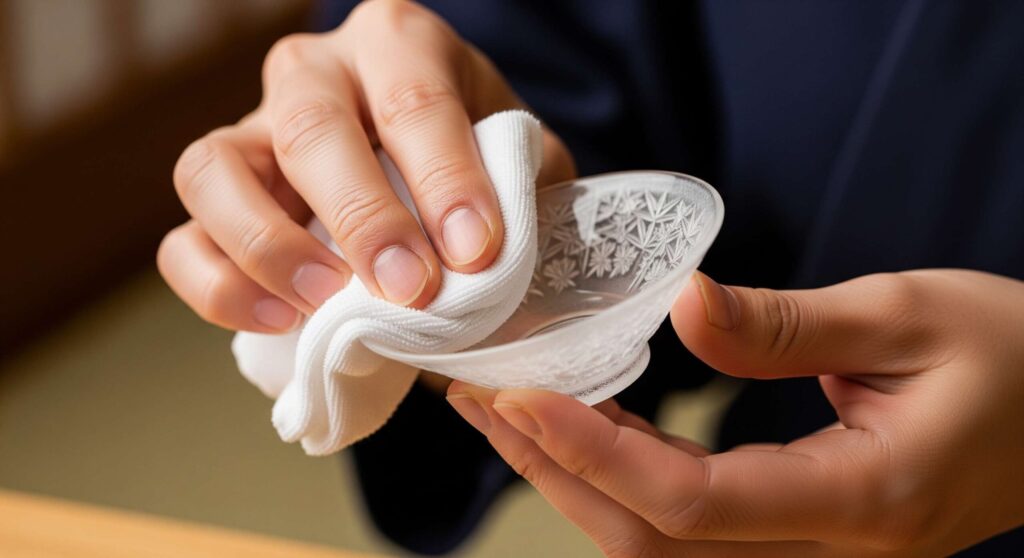
Maintenance for donabe (earthenware pots) and hirahai (flat sake cups) also requires attention to the characteristics of the ceramic material. After use, wash gently with water once they have completely cooled, and ensure they are dried sufficiently.
For products like the Cold-Sensitive Set of Japanese Seasons Hirahai, avoid strong friction on the painted areas or prolonged exposure to direct sunlight, as this can cause the dye to peel or fade.
What is the Cold-Sensitive Set of Japanese Seasons Hirahai? Its charm and tips for long-term use
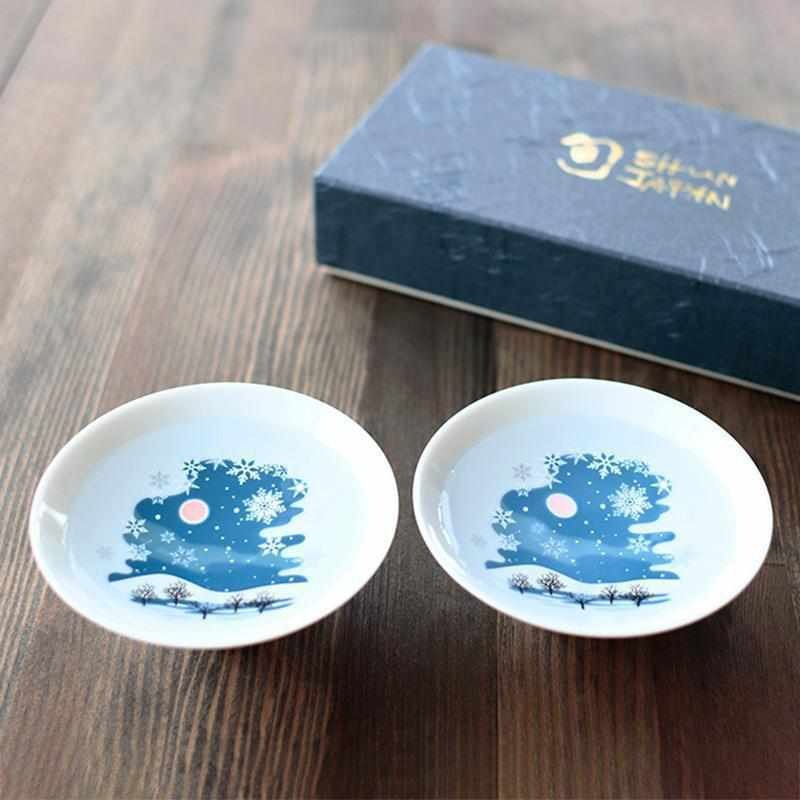
The Cold-Sensitive Set of Japanese Seasons Hirahai is a set of sake vessels that merge the tradition of Mino Ware with the latest technology that changes color in response to cold. Its greatest appeal is that when cold sake is poured, the patterns of cherry blossoms, fireworks, autumn leaves, and snow crystals emerge, allowing you to visually experience the four seasons.
This luxurious set, packaged in a gold cosmetic box, is suitable for personal use as well as gifts and souvenirs for international visitors. There are several key points to ensure this hirahai is cherished for a long time:
- Wash gently, avoiding strong rubbing of the design.
- Do not use metal scouring pads or abrasive detergents.
- Do not use in a microwave or oven.
- Since the dye is sensitive to UV light, avoid prolonged exposure to direct sunlight.
- Cooling the design area once before use will make the colors appear more distinct.
- Due to the nature of pottery, there are individual differences resulting from handcrafting.
- Performing Medome once can result in a more distinct color development.
- The wide rim allows the aroma of the sake to rise easily.
- The gentle angle makes it easiest to perceive the aroma and flavor.
- It has a traditional shape yet a modern design that blends into contemporary life.
- It can be enjoyed with both hot and cold sake.
- The cosmetic box makes it ideal for gifting.
- The capacity for a single serving is about 40ml.
- The capacity when filled to the brim is 70cc.
- Despite being pottery, some products may be microwave and dishwasher compatible.
Comment