
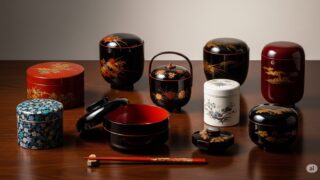




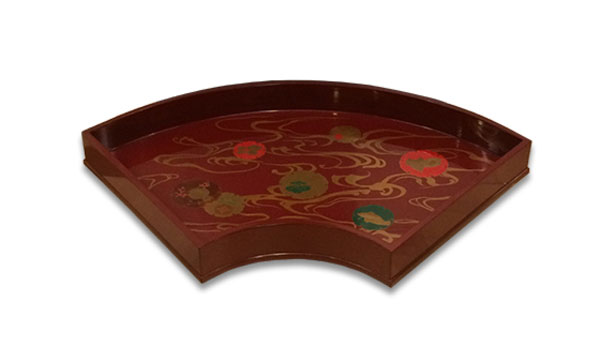
Do you have questions about whether cracks or peeling lacquer on lacquerware can be repaired, what to do if the coating peels off, how long lacquerware lasts, what to do if it loses its luster, or what the weaknesses of lacquerware are? Additionally, concerns about lacquerware repair are wide-ranging: the cost of refinishing, kintsugi (golden joinery), how to find shops that repair lacquerware, whether you can repair it yourself, and whether important repairs should be entrusted to specialists. This article aims to address these questions, provide comprehensive information on lacquerware repair, alleviate your concerns, and help you continue using your cherished pieces for years to come.
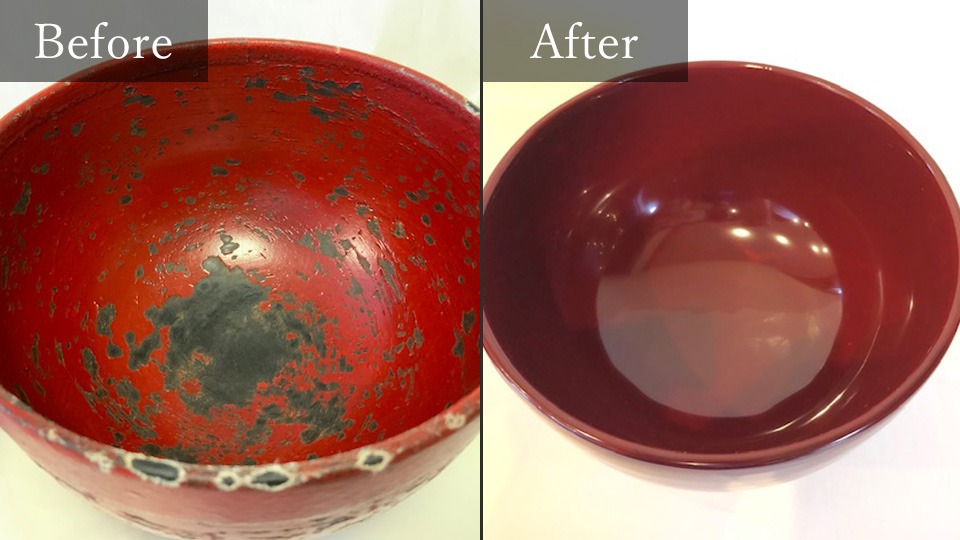
By reading this article, readers who searched for “lacquerware repair” will gain a deeper understanding of specific aspects.
- Types of Repair Methods Based on Lacquerware Damage
- Costs and Estimates for Lacquerware Repairs
- How to Choose a Reliable Repair Specialist and the Repair Process
- Daily Care and Storage Methods
Basic Knowledge and Common Questions About Lacquerware Repair
- Can cracks or peeling lacquer on lacquerware be repaired?
- What should I do if the coating peels off?
- What is the lifespan of lacquerware?
- What should I do if the gloss fades?
- What are the weaknesses of lacquerware?
Can cracks and peeling lacquer on lacquerware be repaired?

Lacquerware is crafted to last, so even if it sustains damage like cracks or peeling lacquer, it can often be restored to usable condition through repair. Various repair methods exist depending on the condition, such as chips, cracks, peeling lacquer, or loss of luster. For example, refinishing involves sanding down the surface lacquer layer and reapplying lacquer, restoring it to a shine like new. Partial repairs involve restoring chipped or cracked areas and finishing them with lacquer. For minor scratches, the sashizuri technique can be used to make them less noticeable.
What should I do if the paint peels off?

If the lacquer coating on your lacquerware peels off, it’s important to consult a professional promptly. Leaving it untreated risks moisture seeping in and damaging the wood base. Specialized lacquerware shops or workshops will recommend either “recoating” or “partial repair” depending on the extent of the peeling. Refinishing involves sanding off the old lacquer layer and applying a new coat to the entire piece, resulting in a finish like new. Partial repair, on the other hand, focuses solely on fixing the damaged area, which may be a more cost-effective option. The choice between these methods depends on the condition of the lacquerware, the repair cost, and your desired final finish.
How long does lacquerware last?

Lacquerware can last an exceptionally long time with proper care. Some pieces have been used for decades, and even centuries. The longevity of lacquerware stems from the high durability of lacquer itself and its inherent ability to be repaired and used again when damaged. However, storing lacquerware in direct sunlight or in hot, humid places, subjecting it to sudden temperature changes, and using dishwashers or microwaves can accelerate its deterioration. Avoiding these conditions and storing it properly, washing it with lukewarm water after use, and drying it with a soft cloth will help extend the life of your lacquerware.
What should I do if the shine fades?

Even if the gloss of your lacquerware has faded, there are ways to address it. One option is to request a “gloss restoration” from a specialized workshop. This repair method involves reapplying lacquer to the surface and polishing it to revive the gloss. A simple home remedy involves applying a thin layer of cooking oil and polishing it in. This may temporarily restore some shine. However, this is only a temporary fix; professional care is recommended for a full restoration of the gloss. A loss of gloss not only diminishes the beauty of the lacquerware but may also indicate a decline in the protective properties of the lacquer surface. Therefore, it’s advisable to assess the condition and consider consulting a professional.
What are the weaknesses of lacquerware?

Lacquerware has several weaknesses. First, it is vulnerable to direct sunlight and dry conditions. This can cause the lacquer to discolor or the wood base to shrink and crack. Next, hot and humid environments are also unsuitable for lacquerware. They increase the risk of mold growth, so storage locations require careful consideration. Additionally, sudden temperature changes are detrimental to lacquerware. For example, placing hot items directly into cold water can cause cracking. Furthermore, rubbing vigorously with hard objects or knocking the piece can scratch or chip the lacquer coating. Using dishwashers or microwaves for cleaning should also be avoided, as they can damage the lacquerware. Proper handling and storage are crucial for ensuring the longevity of lacquerware.
Regarding Lacquerware Repair Requests and Costs
- How much does it cost to refinish lacquerware?
- About Kintsugi Repair for Lacquerware
- How to Find Shops That Repair Lacquerware
- Can I Repair Lacquerware Myself?
- Entrust Important Lacquerware Repairs to Specialized Shops
How much does it cost to refinish lacquerware?

The cost of refinishing lacquerware varies significantly depending on the type of piece, the extent of damage, and the workshop you choose. Simple refinishing can sometimes be relatively inexpensive, but costs tend to increase if repairs to the wood base are needed or if the piece features decorative elements like maki-e.
For example, one workshop’s approximate pricing starts at ¥5,000 for refinishing a soup bowl and ¥5,000 for refinishing a tray. For repainting a single tier of a jubako box, the cost starts at ¥20,000, and for a sake bottle (chōshi), it also starts at ¥20,000. These are merely guidelines; the actual repair cost is almost always determined after the item is examined in person. Therefore, it is recommended to request a rough estimate beforehand using photos, and if possible, send the actual item for an accurate quote.
On Kintsugi in Lacquerware
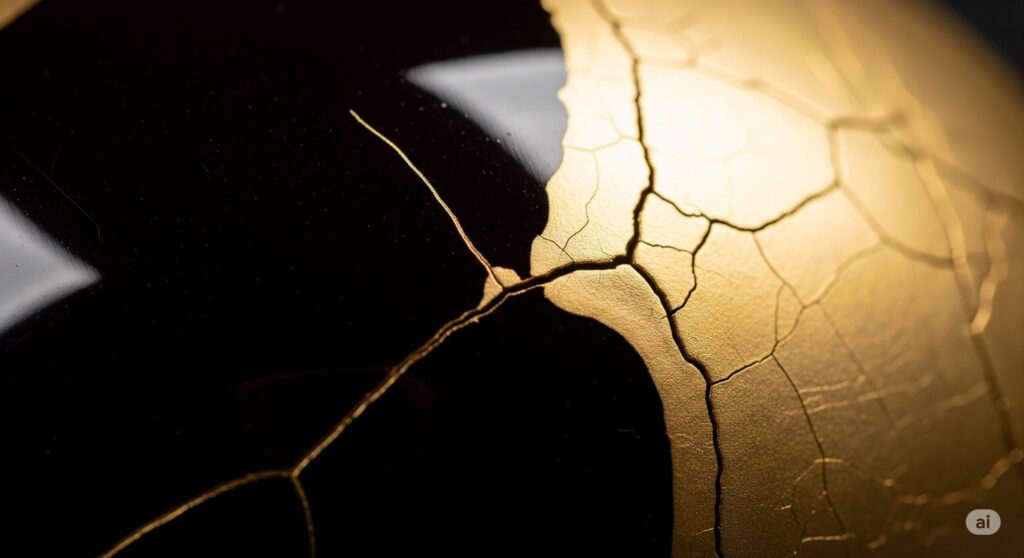
Kintsugi is a traditional Japanese technique for repairing damaged lacquerware and ceramics. By bonding cracks and chips with lacquer and decorating the joints with gold powder or other materials, it not only restores the original beauty but also creates new value. The appeal of this technique lies not merely in repairing the vessel, but in viewing the repair marks as part of the “scenery” and appreciating the vessel’s new charm.
The basic steps of kintsugi involve first bonding the broken pieces with lacquer, then filling any gaps or chips with lacquer and polishing the surface. Next, gold or silver powder, or colored lacquer, is sprinkled onto the joints and repaired areas to decorate them. This technique can be applied not only to ceramics but also to lacquerware, glassware, and various other materials. Because kintsugi requires delicate skill and considerable time, it is typically entrusted to specialized artisans.
To find a shop that can repair lacquerware
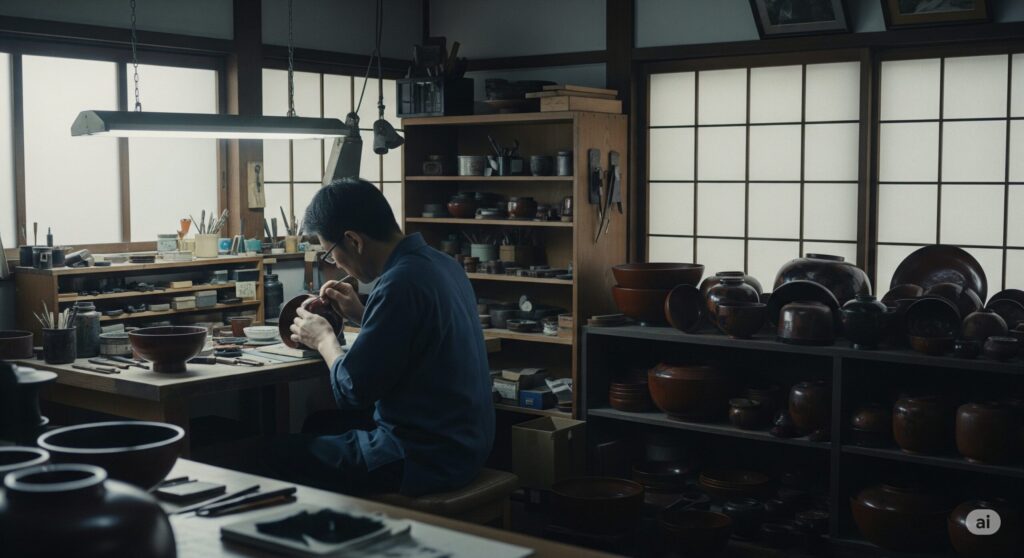
Shops that can repair lacquerware are primarily specialized lacquerware stores or lacquer craft workshops. Searching online for “lacquerware repair” will likely yield many workshops. Some workshops specialize in repairing lacquerware from specific regions, such as long-established Wajima-nuri workshops or workshops located in Echizen lacquerware production areas. When choosing a repair service, it’s important to check the workshop’s repair track record and the repair methods they propose. Additionally, it’s advisable to contact them beforehand to assess their responsiveness and how promptly they provide estimates. Many accept rough estimates via LINE or email with attached photos, which can be a convenient option.
Can I repair lacquerware myself?
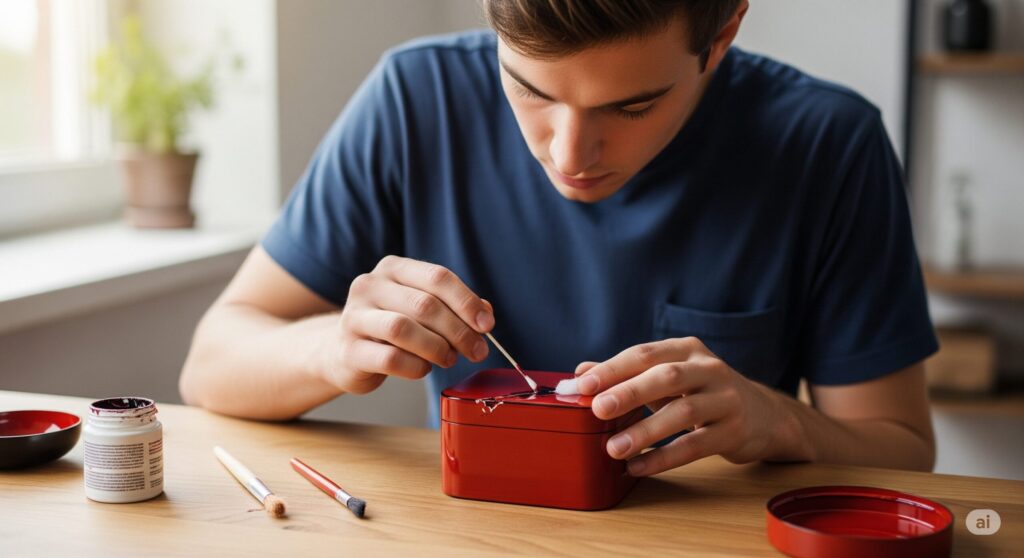
Some may think that repairing lacquerware themselves is possible for minor scratches. However, proper lacquerware repair requires specialized knowledge, skills, and dedicated tools. For instance, working with lacquer necessitates knowledge to prevent lacquer dermatitis and an appropriate drying environment. Furthermore, techniques like preparing the base, applying the top coat, and decorative methods such as maki-e and kintsugi are skills only masters with years of training can master.
For very minor scratches, applying a thin layer of cooking oil and polishing can temporarily make them less noticeable. However, this is not a fundamental repair. Attempting repairs with incorrect methods risks worsening the condition or even making future repairs impossible. Therefore, if you wish to use your cherished lacquerware for a long time, we strongly recommend entrusting it to a professional artisan.
For important lacquerware repairs, take it to a specialist shop.
When it comes to repairing precious lacquerware, entrusting it to a specialized workshop remains the wisest choice. Experts can accurately assess the type of lacquerware and the extent of damage, proposing the optimal repair method. For robust lacquerware like Wajima-nuri, crafted through over a hundred processes, repairs may involve specialists for each stage. Crack repairs are handled by base coat artisans, re-coating by top coat artisans, and maki-e restoration by maki-e artists—each professional applying their finest techniques.
As mentioned earlier, attempting repairs yourself carries risks and may potentially worsen the condition. Many repair shops offer free estimates, so we recommend consulting them first. Some workshops even provide repair reports, allowing you to review the repair process and final finish in detail. To pass down cherished lacquerware to future generations, entrusting it to professionals is essential.
Key Points for Lacquerware Repair
- Lacquerware can often be repaired even if it has cracks or peeling lacquer.
- Various repair methods exist depending on the damage condition.
- If the lacquer coating peels, consult a specialist promptly.
- With proper care, lacquerware can be used for decades.
- Direct sunlight and high temperatures/humidity are weak points for lacquerware.
- If the gloss fades, options include professional gloss restoration or home emergency treatments.
- Repainting costs vary based on the type of lacquerware and the extent of damage.
- Kintsugi is a traditional technique repairing broken pieces by decorating them with gold.
- It’s common to entrust lacquerware repairs to specialized shops or workshops.
- You can search for repair services online by checking their repair records.
- Proper lacquerware repair requires specialized knowledge and skill.
- Attempting repairs yourself risks worsening the condition.
- Entrusting cherished lacquerware to professional artisans provides peace of mind.
- Many workshops offer free estimates.
- Repair costs are often finalized after inspecting the item.

Comment